Chinese festivals and national holidays in 2026

Chinese festivals and national holidays are a cherished time to celebrate China’s cultural history, mythology, heritage, and seasonal cycles. These celebrations come to life through long-standing traditions, special foods, and family gatherings, and they have a big impact on daily life and travel across the country.
For Australians planning a trip to China in 2026, understanding when these festivals fall — and how public holidays work — can help you avoid crowds, plan transport more easily, and make the most of your time there.
In this guide, we explore the major Chinese festivals and national holidays in 2026, their cultural significance, and what Aussie travellers should know before booking.
2026 Chinese Festivals & HOLIDAYS
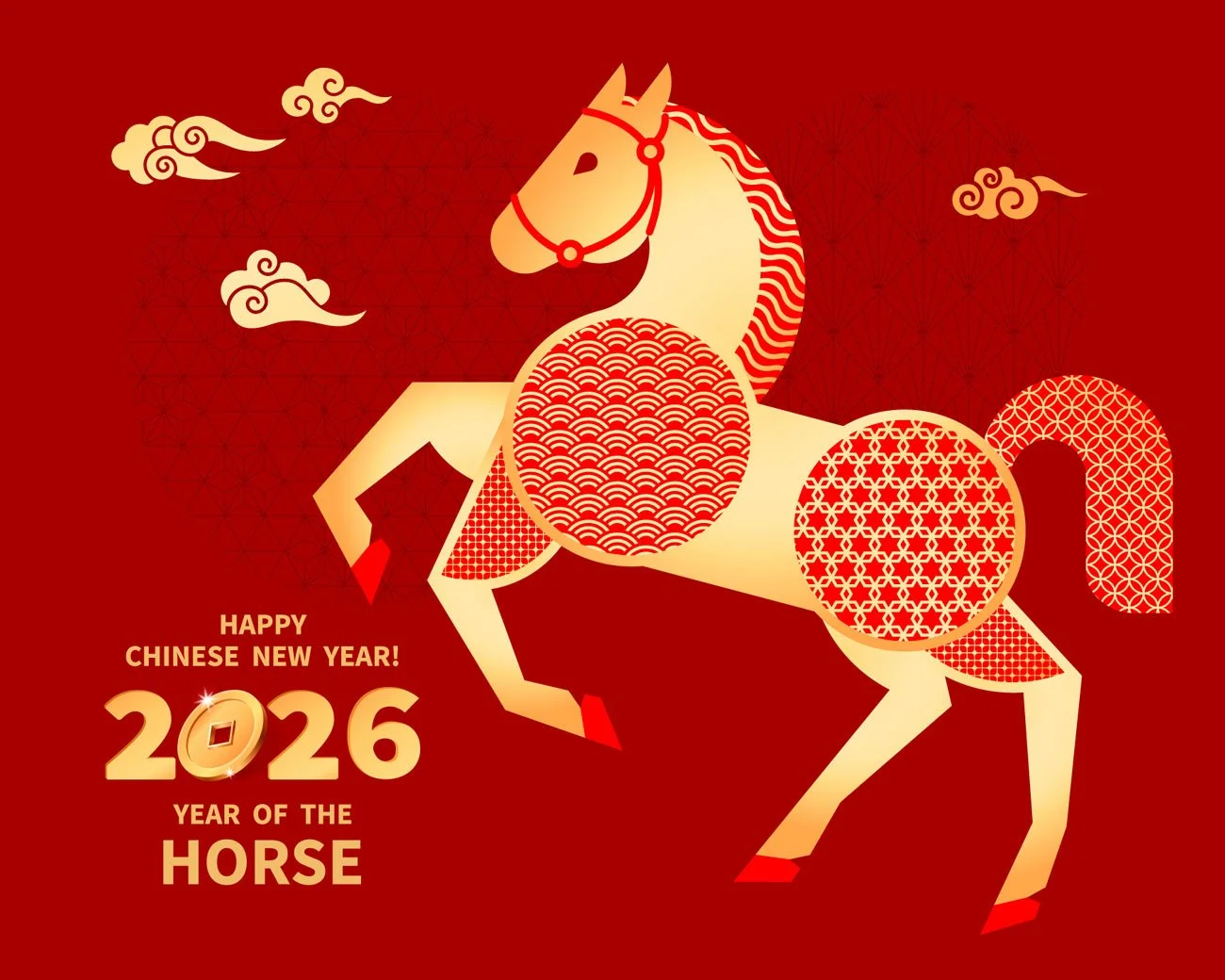
Spring Festival (Chinese New Year)
Date in 2026: 15–23 February (Year of the Horse) 🐴
Chinese New Year, also known as Spring Festival, is the most important and widely celebrated festival in China. It marks the beginning of the lunar new year and is a time for family reunions, honouring ancestors, and welcoming good fortune for the year ahead.
This period also triggers the world’s largest annual human migration, as hundreds of millions of people travel home.
Traditions and highlights include:
Family reunion dinners on New Year’s Eve
Red envelopes (Hóngbāo 红包) given for luck and blessings
Fireworks, lanterns, and festive decorations
Traditional foods such as dumplings and rice cakes
Travel note for Australians:
Transport books out quickly, prices rise, and many small businesses close. If travelling during this time, it’s best to stay in one city and plan ahead.

2. Lantern Festival
Date in 2026: 3 March
(15th day of the Lunar New Year)
The Lantern Festival (元宵节 Yuánxiāo Jié) marks the official end of Chinese New Year celebrations. While it isn’t usually an extra day off work, it’s widely celebrated across China with evening events and family activities.
Traditions and highlights include:
Colourful lantern displays and light shows
Guessing lantern riddles
Lion dances and community performances
Eating sweet glutinous rice balls (tāngyuán 汤圆), symbolising reunion
Travel note for Australians:
Crowds are generally lighter than during the main Chinese New Year period, but evenings in city centres and parks can be busy. It’s a great time to experience festival culture without peak-holiday chaos.

3. Qingming Festival (Tomb-Sweeping Day)
Date in 2026: 4–6 April
Qingming Festival is a time to honour ancestors by visiting graves, cleaning tombs, and offering food or flowers. It also marks the arrival of warmer spring weather.
Traditions and highlights include:
Family visits to ancestral graves
Spring outings and nature walks
Simple seasonal foods
Travel note:
A short public holiday with moderate domestic travel. Tourist sites are busier but manageable with planning.
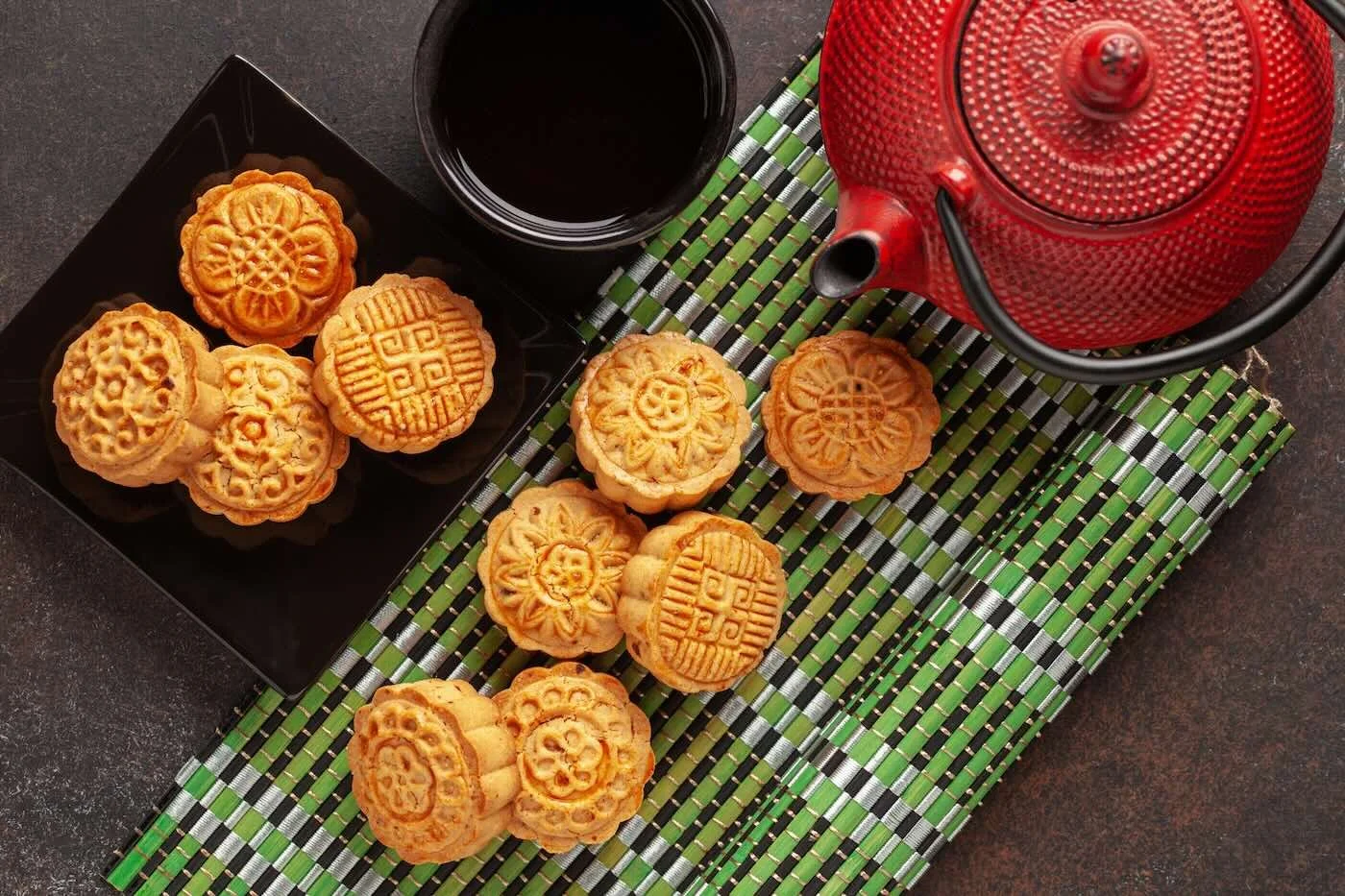
5. Mid-Autumn Festival
Date in 2026: 25–27 September
Mid-Autumn Festival celebrates the full moon and family unity. It’s one of the most romantic and symbolic Chinese festivals.
Traditions and highlights include:
Mooncake sharing
Lantern displays
Moon viewing with family and friends
Travel note:
Busy travel days before and after the holiday. Book trains early if moving between cities.

National Day (Golden Week)
Date in 2026: 1–7 October
National Day marks the founding of the People’s Republic of China and kicks off Golden Week, one of the busiest travel periods of the year.
Traditions and highlights include:
Nationwide travel
Patriotic displays and events
Packed tourist attractions
Travel note:
If you’re in China during Golden Week, stay local. For Australians, it’s best to travel either before or after this period.
China is an incredible destination year-round, but timing matters. Planning your trip around festivals, national holidays and ‘make-up work days’ can help you avoid stress, save money, and enjoy a smoother travel experience.
If you plan well, these festivals can also become a highlight of your trip — not a hurdle.

Celebrating Chinese festivals in Australia
For the Chinese community in Australia, these festivals are a vital way to maintain cultural connections, pass traditions to younger generations, and share their heritage with the broader community.
For non-Chinese Australians, participating in these celebrations offers a great opportunity to learn about Chinese culture, enjoy delicious food, and build bridges across communities.
What’s your favorite Chinese festival, and how do you plan to celebrate it in 2026?
Join our Facebook Group to share your thoughts and subscribe for more insights into Chinese language and culture in Australia!
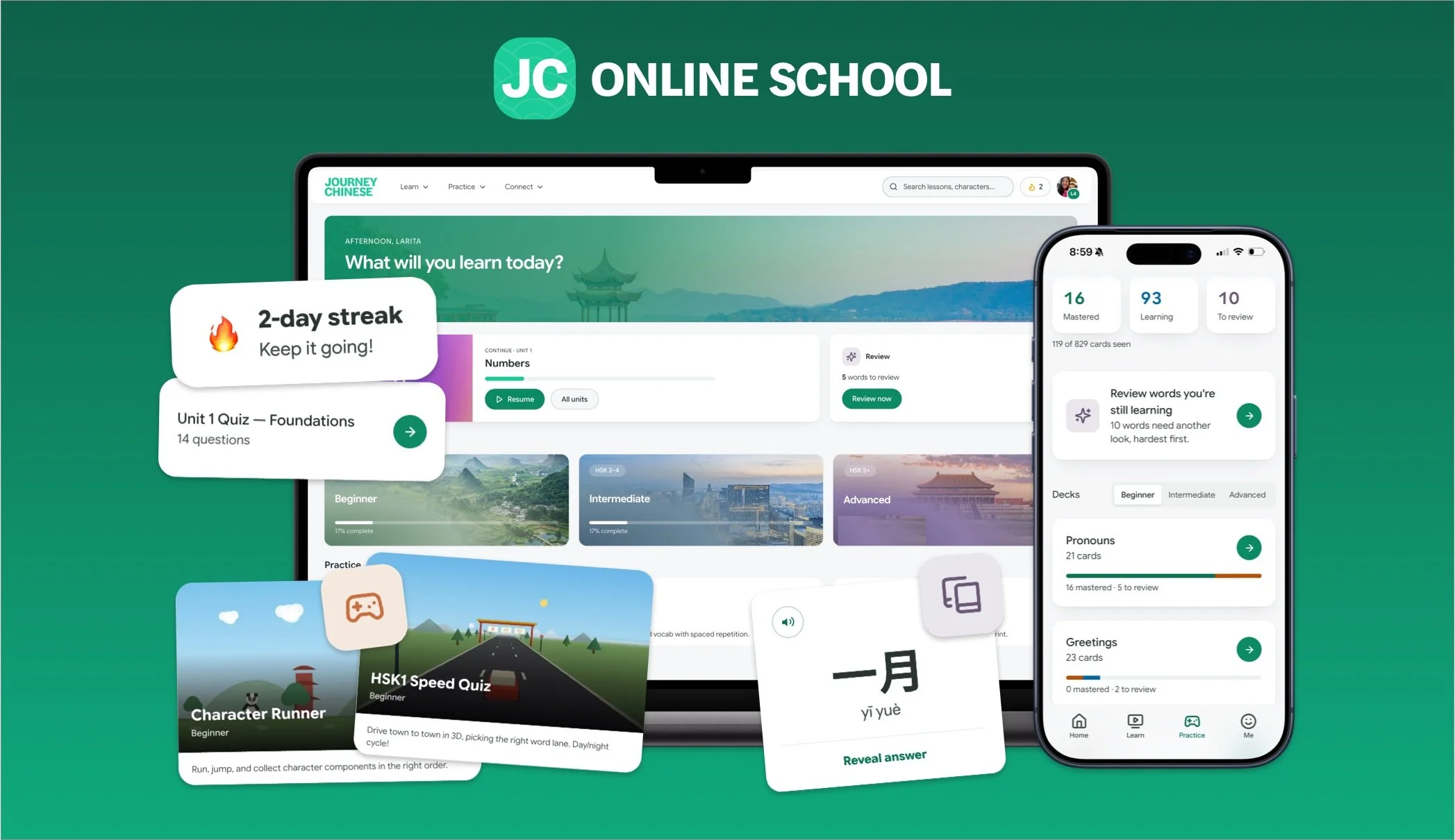
Heading off to China?
Imagine ordering dinner in Mandarin — or chatting to the person next to you on the train. Our Online Mandarin School gets you there with on-demand lessons, flashcards and weekly study groups, all taught by a real Aussie-based tutor.