
Start here
Before we start the learning and speaking Mandarin, let me share with you a brief history of this incredible language…
What is Mandarin?
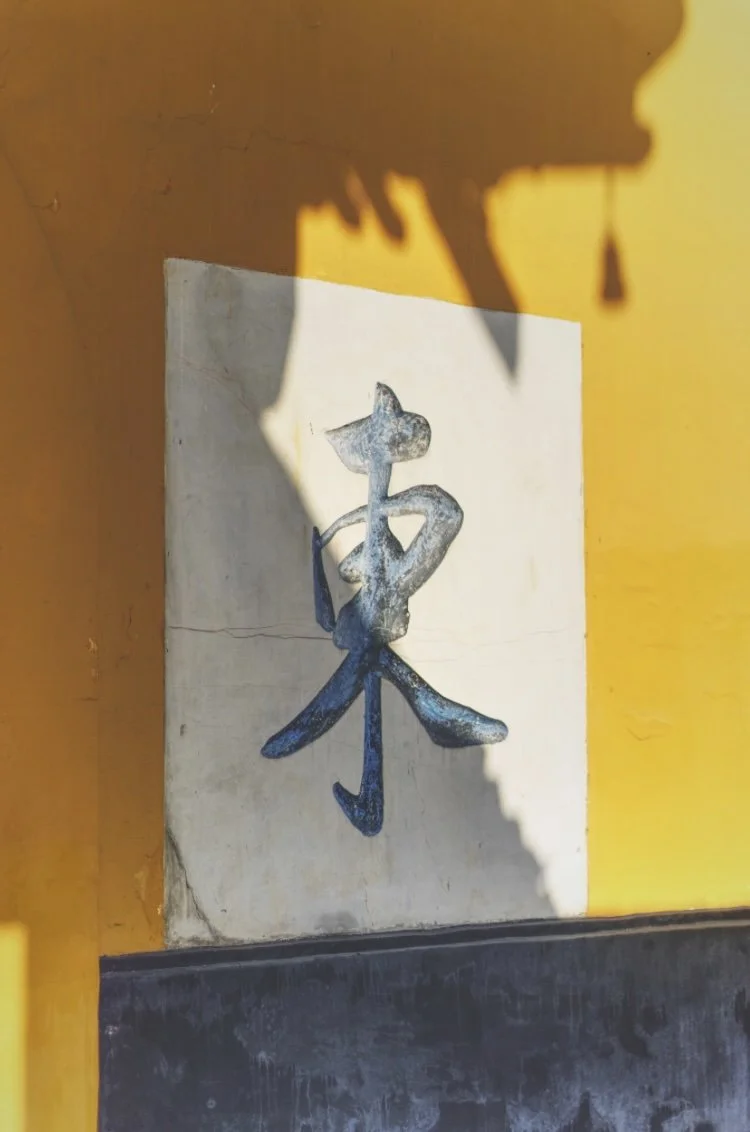
Mandarin is called 普通话 (Pǔtōnghuà) in Chinese.
It literally means “common language.”
Mandarin belongs to the Sino-Tibetan language family and is the most widely spoken Chinese language today. When people say “Chinese,” they usually mean Mandarin.
Where did Mandarin come from?
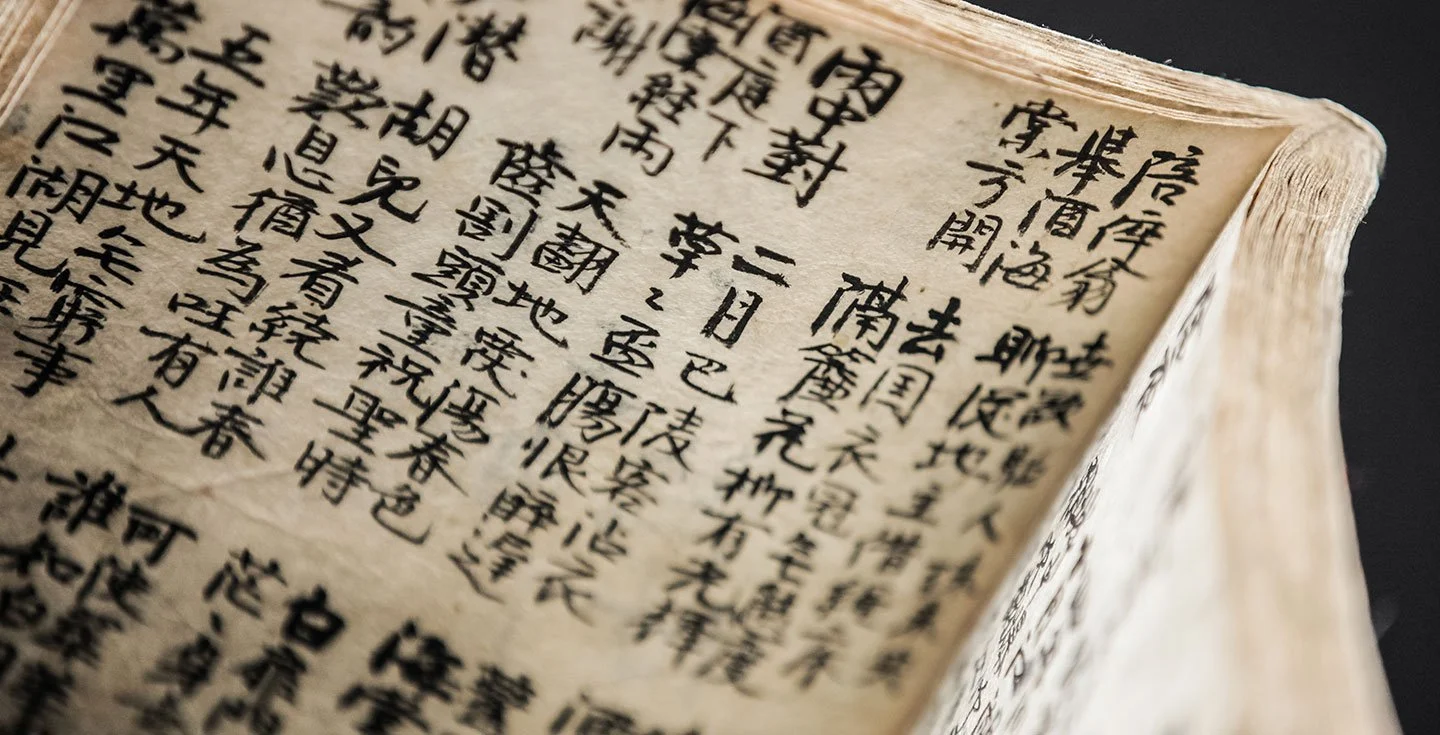
The roots of Mandarin go back over 1,500 years.
During the Northern and Southern Dynasties (420–589 AD), China was politically divided. People moved, regions separated, and speech began to change. Over time, this led to different Chinese dialect groups.
Northern speech patterns gradually formed the base of Mandarin
Southern speech evolved into dialects like Cantonese, Hokkien, and Wu
A key moment: the Tang Dynasty
The Tang Dynasty (618–907) is often called China’s Golden Age.
This period shaped the Chinese language in lasting ways:
Poetry and literature flourished
A shared written system became more standard
Buddhist translations added new vocabulary
Pronunciation systems were recorded for the first time
Even though people spoke differently, written Chinese connected everyone.
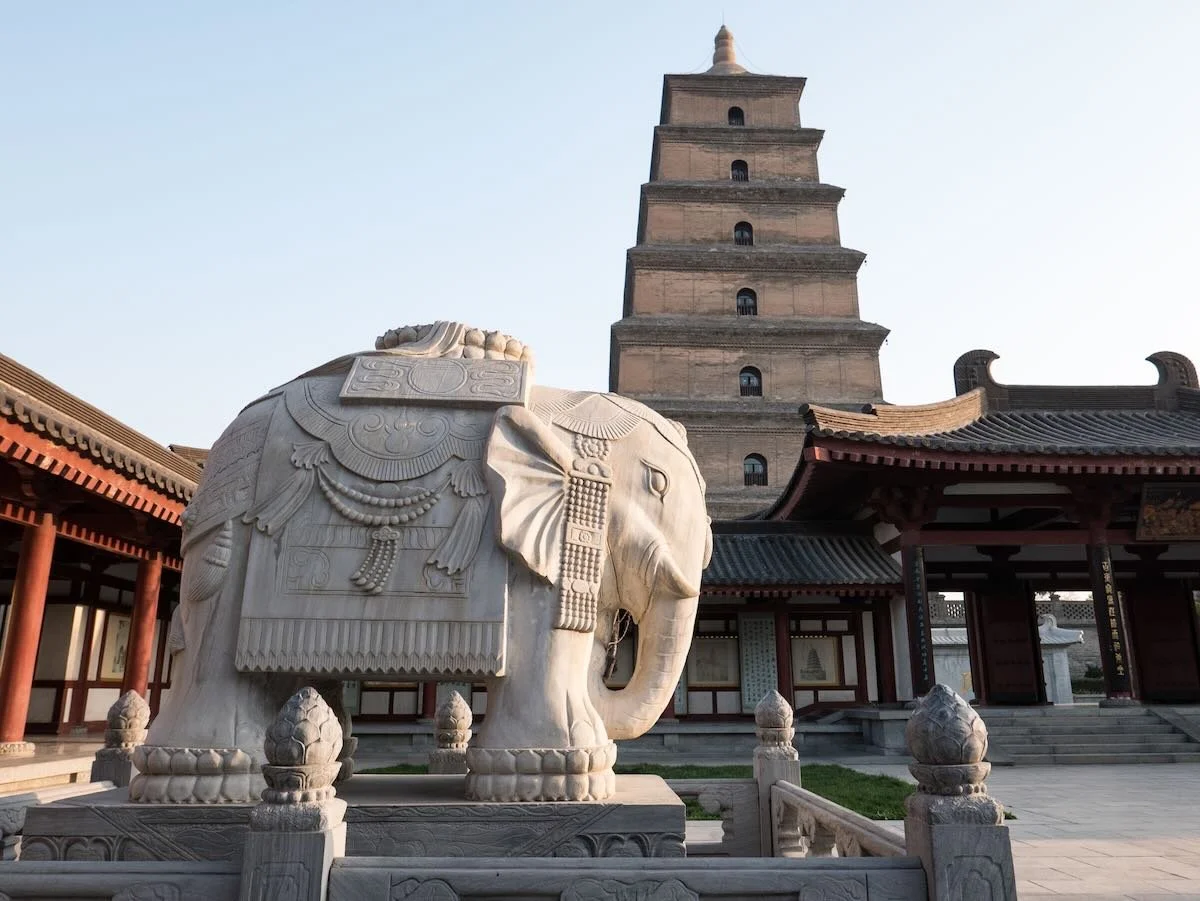
Photo: Big Wild Goose Pagoda. It was built c. AD 652 during the Tang dynasty, when Xi'an was the imperial capital.

Simplified vs traditional Chinese
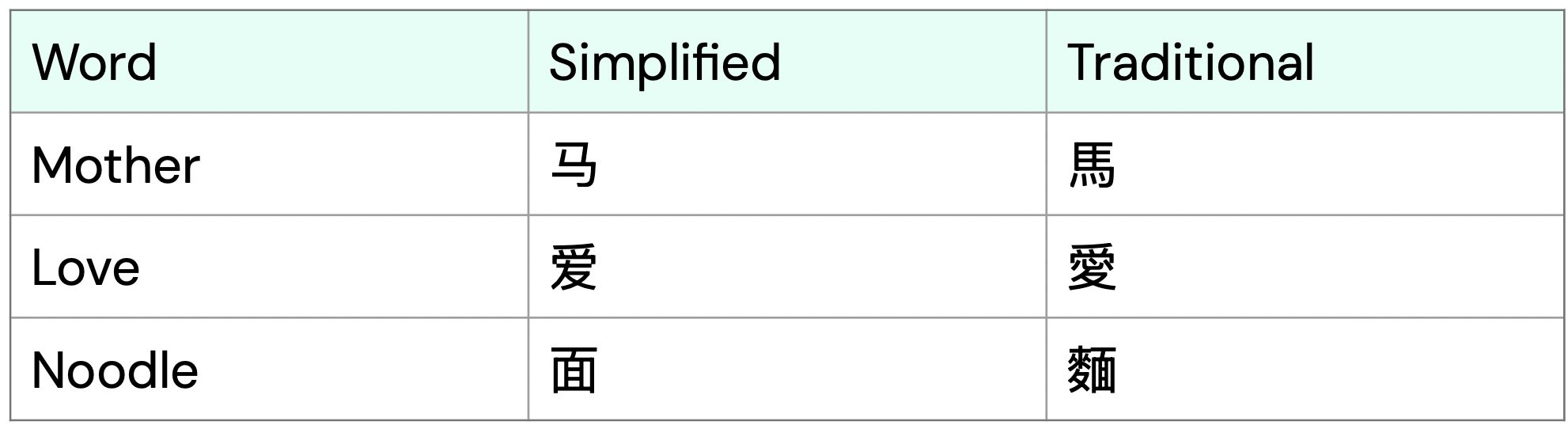
In the 1950s, China introduced Simplified Chinese characters to improve literacy.
Over 2,000 characters were simplified
Stroke counts dropped by around 30%
Literacy rates rose dramatically
Today:
Mainland China & Singapore use simplified characters
Taiwan, Hong Kong & Macau use traditional characters
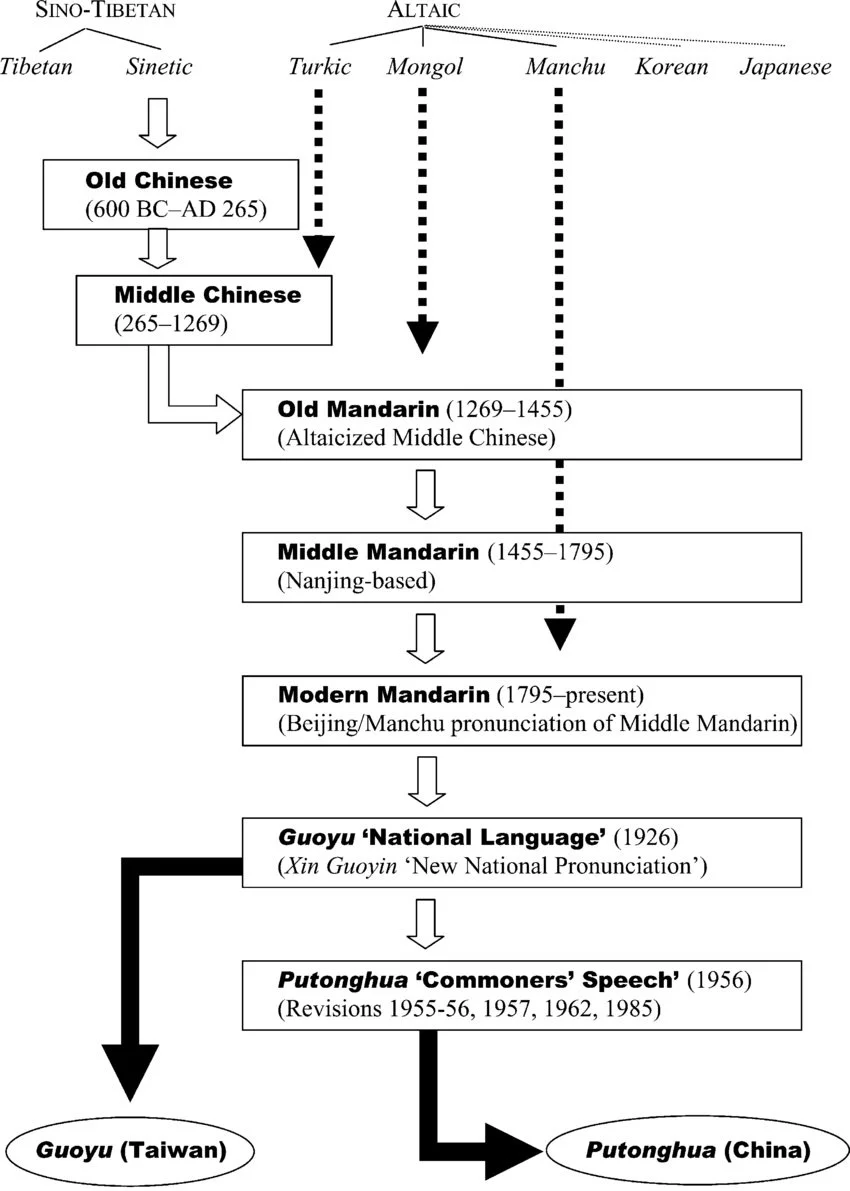
From old Mandarin to modern Mandarin
Mandarin didn’t appear overnight. It evolved through stages:
Old Chinese
Middle Chinese
Old Mandarin
Middle Mandarin
Modern Mandarin, based largely on Beijing pronunciation
In 1926, Mandarin was officially promoted as the national language of China.

Mandarin today
Mandarin is now:
The official language in multiple regions
Spoken by 1.14 billion people worldwide
Learning Mandarin connects you to modern China and thousands of years of history.